VerifiedPopular artists

All the verified artist accounts, based on their artworks and community interactions.

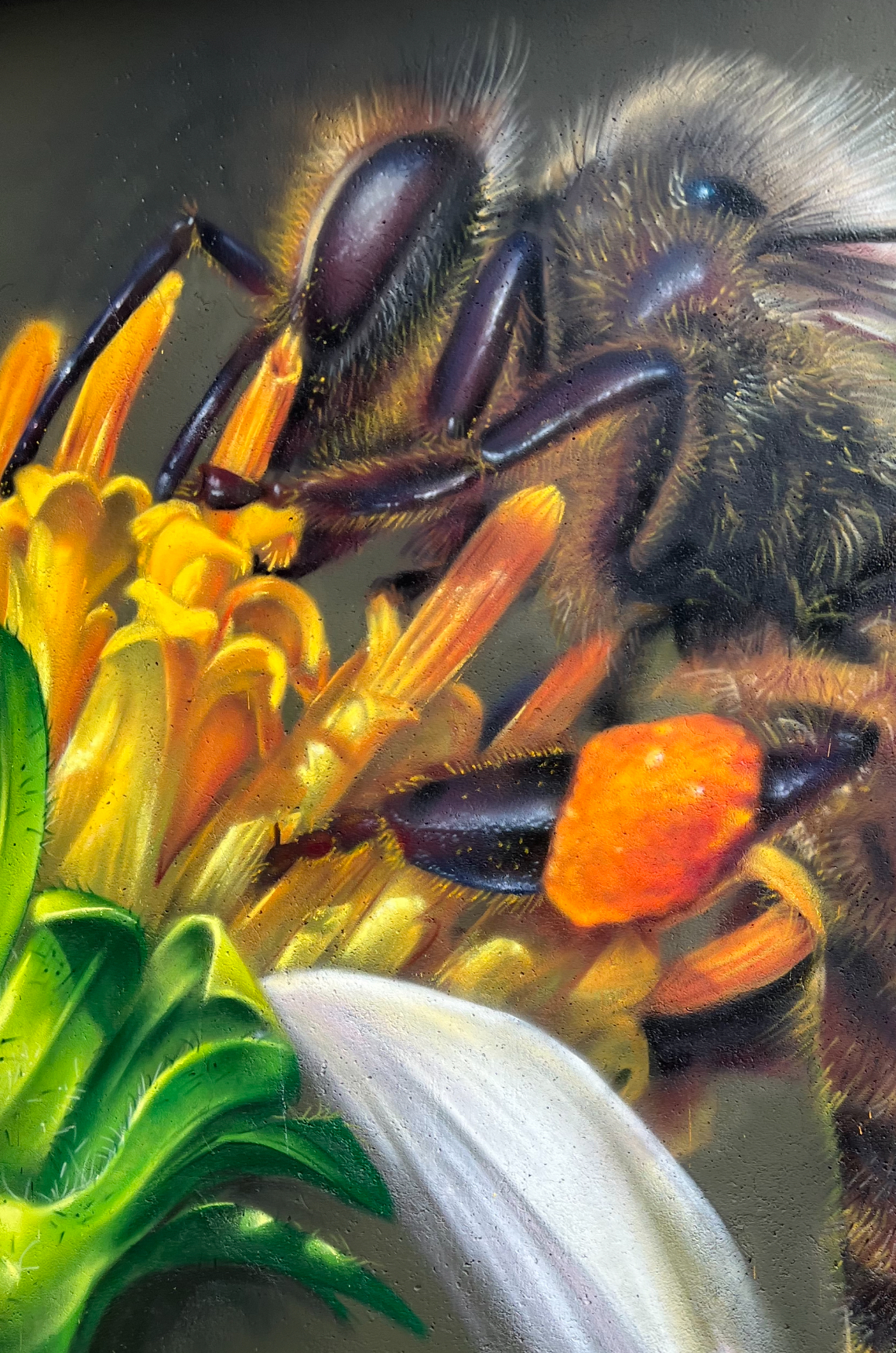
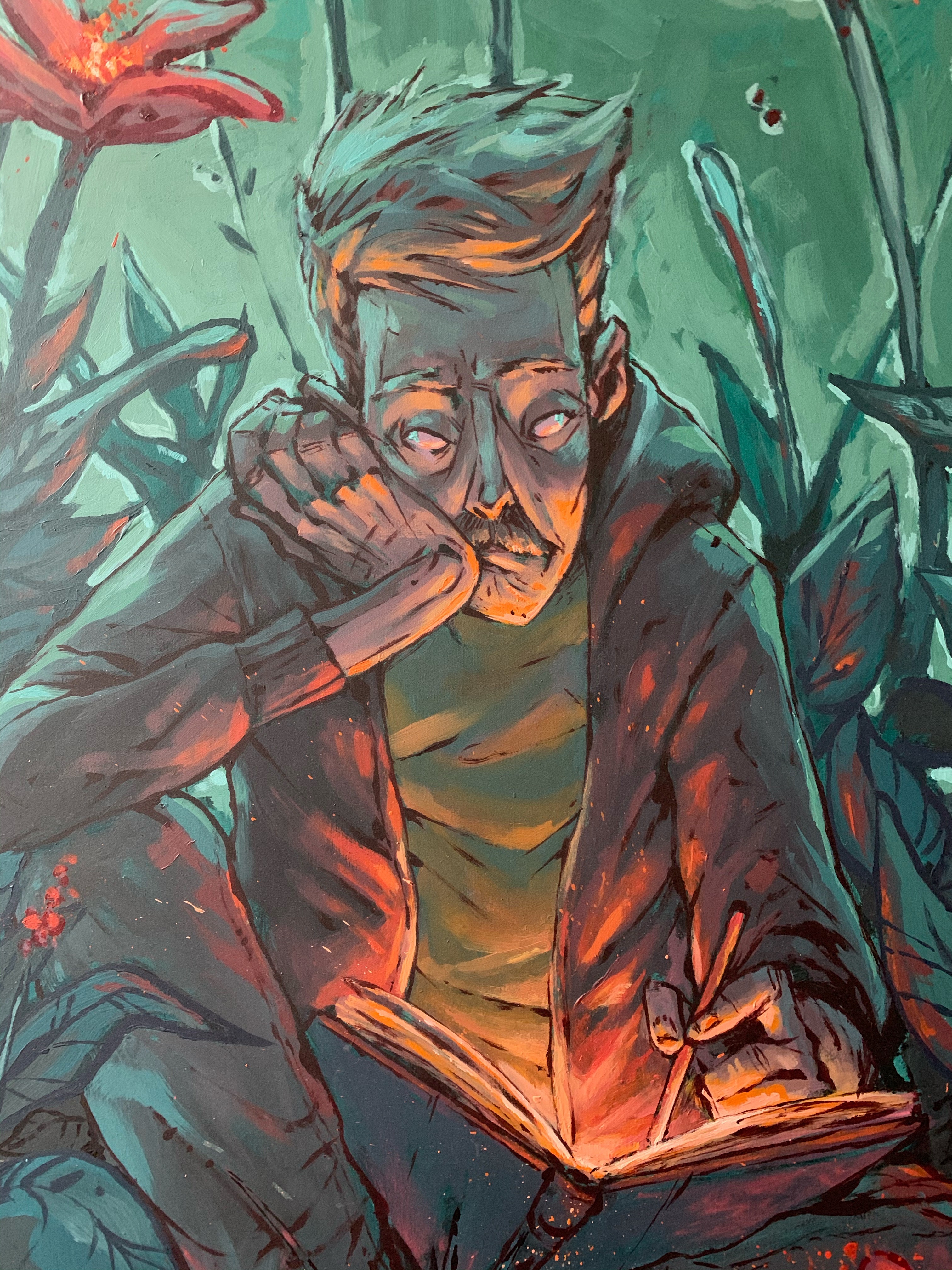
Moxaico41. MoxaicoDaniel Fernández (1980), "MOXAICO," is a self-taught artist with an extensive career in the world of graffiti and urban art since he first began spray-painting a wall in 1995. He has participated in competitions, festivals, and events, both as a graffiti writer, muralist, and jury member. He has promoted graffiti in the province of Almería since its inception, organizing exhibitions, workshops, courses, conferences, contests, and festivals. He went on to found and chair A.J. Vida Urbana (2000-2007), pioneering the opening of urban culture to both society and public administrations. After completing his studies in advertising graphics (2002), his work began to evolve from WildStyle and Pastelmode to a mural discourse, where figurative imagery and realism began to gain prominence in his search for new visual languages. The name "COMA" gradually changed to "MOXAICO" as he developed a mural discourse closer to urban art than the graffiti from which he originated. Within a few years, he decided to focus his work on decorating urban environments or private spaces for companies such as Endesa, Cajamar, Kimitec, Aqualia, etc., and a multitude of public administrations, alternating with the creation of more personal works. The first Medianera (party wall) in the historic center of Almería, within its first phase of pedestrianization (2008), the Endesa Transformation Centers in Almería (2009), the Almería Fairgrounds (2010), and the Antonio de Torres Guitar Museum (2013), all gained great impact in his city. Since then, his work has spread throughout Spain and internationally, in cities such as Berlin (GER), Brussels (BG), Paris (FR), Cancún (MX), and Aalborg (DK), although the majority of his output is in Spain and, in particular, in the province of Almería. Among his other awards for design, graffiti, urban art, and visual arts are the XI Fernando Quiñones National Competition, the "CICBUNY" Burgos-New York International Competition (2011), and two Alnomalia Contemporary Art Awards (2017 and 2019), as well as recognition among the world's best murals by various prestigious platforms such as StreetArtCities and Streetartoftheyear. His work currently focuses on realistic portraiture, figuration, and nature, along with a combination of tags and typography with geometric shapes, influenced by graphic design, with a minimalist and elegant appearance. Today, he continues to collaborate in the organization of events such as the Vicar Hip Hop Street Festival (from 2006 to 2025), working on mural decoration, participating in festivals, and producing personal works on walls, canvases, and other media. -- Daniel Fernández(1980), “MOXAICO”, autodidacta en el área artística y con una amplia trayectoria en el mundo del graffiti y el arte urbano desde que en el año 1995 se lanzase a pintar una pared con spray por primera vez, habiendo participado en certámenes, festivales y eventos, tanto como escritor de graffiti, muralista o jurado. Promotor del graffiti en la provincia de Almería desde sus inicios, con la organización de exhibiciones, talleres, cursos, conferencias, concursos y festivales, llegando a fundar y presidir la A.J. Vida Urbana (2000-2007) siendo pioneros, abriendo puertas a la cultura urbana tanto a la sociedad como a las administraciones públicas. Tras acabar sus estudios de gráfica publicitaria (2002), su obra empieza a mutar del WildStyle y el Pastelmode a un discurso mural, donde la imagen figurativa y el realismo empiezan a obtener protagonismo como búsqueda de nuevos lenguajes visuales. Va mutando el cambio de nombre “COMA” a ’MOXAICO’, al ir desarrollando un discurso mural más cercano al arte urbano que al graffiti del que procede. En pocos años decide enfocar su actividad laboral decorando entornos urbanos o espacios privados a empresas como Endesa, Cajamar, Kimitec, Aqualia, etc, y a multitud de Administraciones públicas, alternando con la realización de obra más personal. Adquiere gran repercusión en su ciudad la primera Medianera del Casco histórico de Almería dentro de su primera fase de peatonalización (2008), los Centros de Transformación de Endesa de Almería(2009), el Recinto Ferial de Almería (2010) o el Museo de la Guitarra Antonio de Torres(2013). Desde esos años su obra se extiende por toda la geografía nacional e internacional, en ciudades como Berlín(GER), Bruselas (BG), París (FR), Cancún(MX) o Aalborg(DK), si bien la mayor parte de su producción se desarrolla en España y en particular en la provincia de Almería. Entre otros premios obtenidos de diseño, graffiti, arte urbano o artes plásticas caben el XI Certamen Nacional Fernando Quiñones, el Certamen Internacional “CICBUNY” Burgos-New York (2011) o dos Premios de Arte Contemporáneo Alnomalia (2017 y 2019), así como reconocimientos entre los mejores murales del mundo por distintas plataformas de prestigio como StreetArtCities o Streetartoftheyear. Actualmente predomina en su trabajo el retrato con carácter de tipo realista, la figuración y la naturaleza, junto a la combinación de tags y tipografías con formas geométricas, influenciado por el diseño gráfico, con aspecto minimalista y elegante. A día de hoy sigue colaborando en la organización de eventos como el Festival Vicar Hip Hop Street (de 2006 a 2025), trabajando decoración mural, participando en festivales y produciendo obra personal tanto en pared, como lienzos u otros soportes.
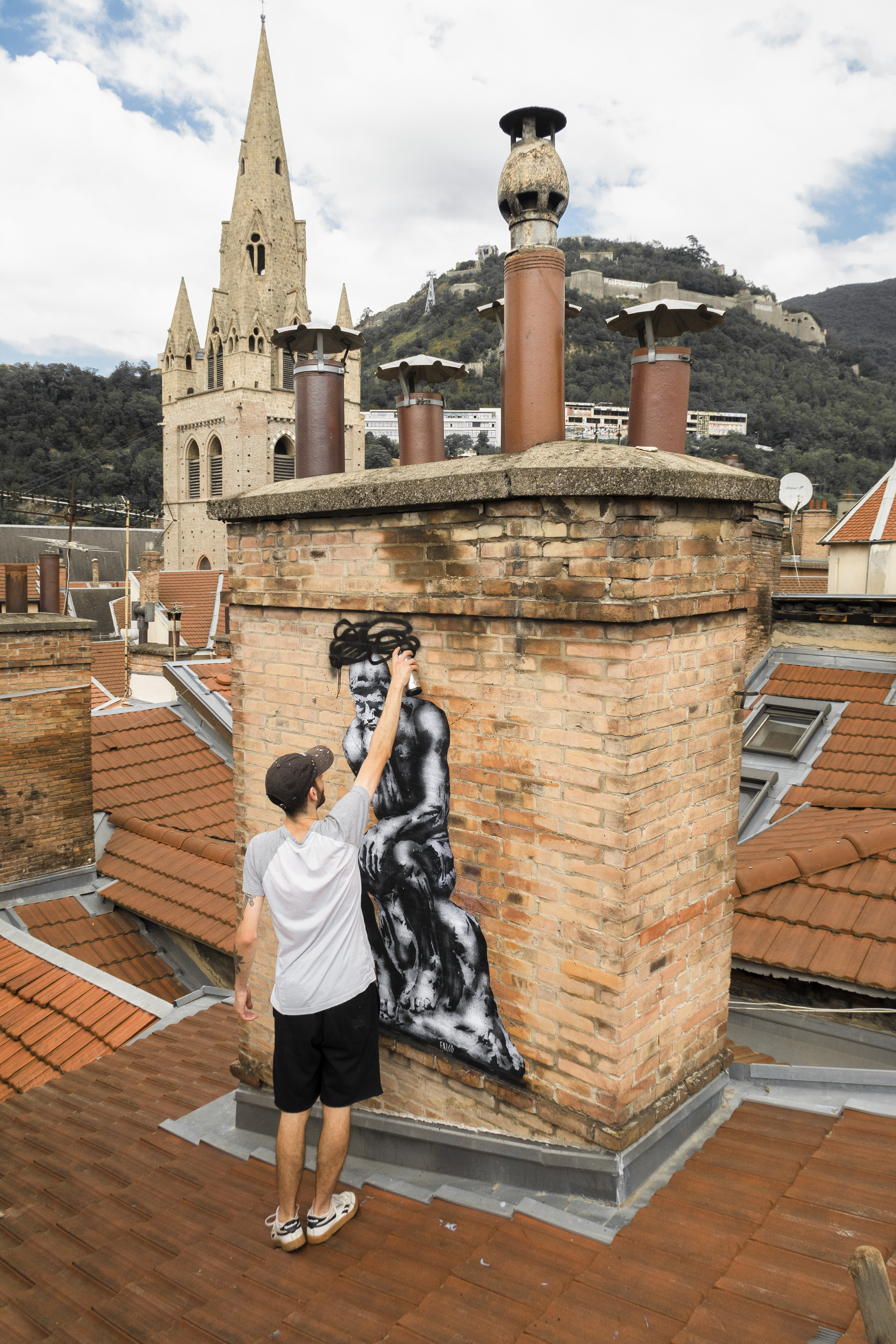
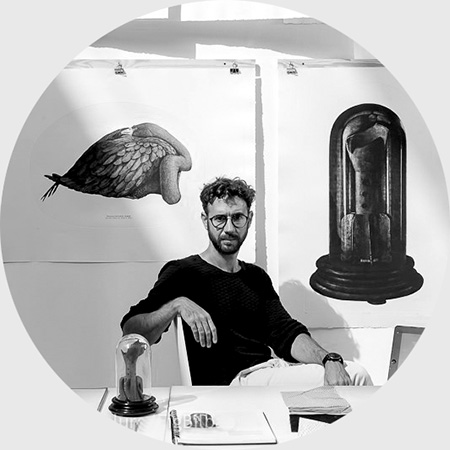
Conse43. ConseConse Andechaga is a multidisciplinary, self-taught plastic artist based in Barcelona. From a very young age, Conse has been part of Hip Hop culture. At the beginning of his career in 2007, he began using different firms in the world of graffiti, while also developing as a music producer, Master of Ceremonies (MC) and DJ. During 2008 and 2009 he established CONSE, the firm with which he has developed his entire professional career in the art of graffiti. This marked the introduction of a self-discipline that until then did not exist and continues to investigate further the operation and history of this art. During 2009-2010 he lived in a village outside Barcelona, where he began activities with other artists in the surrounding area, such as interventions in abandoned spaces such as factories, party walls and train tracks. Next came collaboration with institutions in public spaces where activities related to the culture of graffiti were carried out, along with helping the initiation of other artists. In this period he created his own technique in letters as well as adding elements of realism which he would develop in the future. At the end of 2010 he returned to Barcelona where he continued his artistic activity. Between 2012 and 2013 he partially ceased his activity on the street and focused on the development of the technique of realism in charcoal, oil, acrylic, spray, among other techniques of the plastic arts that he would later take back to the streets of Barcelona and other cities, both national and international. 2014 is a year that marks a radical change in his career as he returned to make pieces on the city walls. Applying the technique of realism evolved with its own style that continues to improve day by day. Since then Conse has been travelling throughout countries like United States, Australia, Netherlands, Italy, France, United Kingdom, Germany, among others, participating in various events and exhibitions related to urban art, with a future projection in the realisation of big walls while making his own works for collections and private exhibitions.
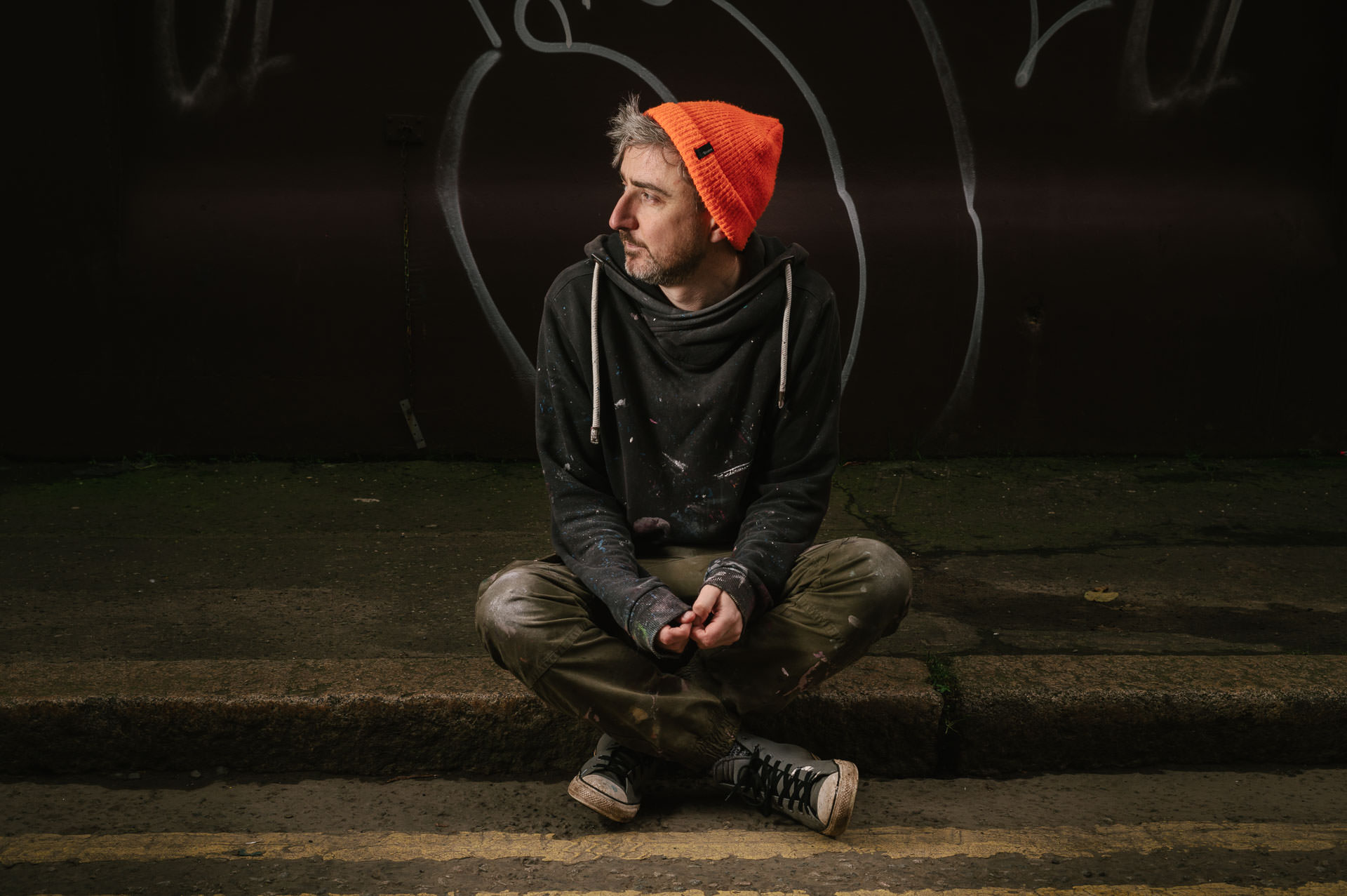
Tymon de Laat50. Tymon de LaatTymon de Laat finds the fuel for his art in the streets of his hometown, Rotterdam, to which he feels indebted, as well as Latin American culture. This influence is the result of a one-year trip to Latin America that Tymon de Laat undertook shortly after graduating from the Willem de Kooning Academy. With little money but rich in ideas, the artist had many encounters, which were enough to durably impact his restless mind, and totally shift his vision of the world and his relationship to visual art. Today, each of his creations (mostly canvas paintings and murals) bears the mark of this culturally mixed approach, since this Dutch artist paints portraits of people he has photographed during his trips. He thus turns these anonymous people into heroes of everyday life, or at least into the symbol of wealth of multiculturalism, represented in a deliberately magnified way through swirling patterns and bright colours. What captures the viewer’s attention is less the individual person than the beauty of their culture painted in places least expected, less the soft benevolence in their eyes than Tymon de Laat’s quickly identifiable style. You can find, for example, the portrait of a young Laotian girl in the streets of Carlisle in North England: or a Cuban tobacco farmer painted in the Straat Museum in Amsterdam. The artists sensitivity, sense of storytelling and detail bring his work beyond representation towards emotion. Words by Maxime Delcourt for GraffitiArt Magazine
PreviousPage 3 of 35Next

Showing all artists, updated on a daily basis. The score is based on the number of artworks, views, and likes. Only verified artist profiles are included, so claim your profile to show in this list.